
Does a larger heat exchange area of the flue gas heat exchanger mean better performance?
文章来源:hsjmh 发表时间:2026-11-23Many factory owners and HVAC engineers hold a common misconception when selecting equipment for flue gas waste heat recovery projects: they believe that the larger the heat exchange area of a flue gas heat exchanger, the better the heat transfer effect and the higher the energy-saving benefit. In practical engineering, the heat exchange area is only one of the key parameters. Blindly increasing the heat exchange area not only results in poor cost performance, but may also trigger a series of operational failures. The details are as follows.
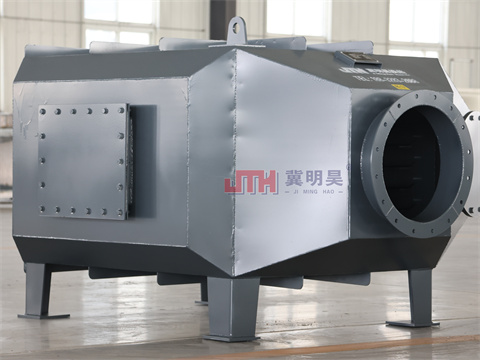
1.The improvement of heat exchange area is limited by the heat transfer temperature difference. The driving force of heat transfer is the temperature difference between flue gas and heat exchange medium. As heat transfer proceeds, the flue gas temperature drops gradually and the temperature difference between hot and cold media keeps shrinking. When the temperature difference becomes small, further adding tube bundles and expanding the heat exchange area will barely reduce the flue gas temperature. The improvement in energy saving is negligible, and the extra equipment investment can hardly be recovered through fuel savings. This is diminishing marginal benefit and represents over-design.
2.A larger heat exchange area brings higher resistance on the flue gas side. To expand the heat exchange area, more tube bundles are usually added and arranged more densely. Denser tube bundles narrow the flow passages for flue gas and increase friction and resistance. Excessive flue gas resistance raises the load of the induced draft fan and its power consumption. In severe cases, it destabilizes the negative pressure inside the boiler or kiln furnace, leading to incomplete combustion and black smoke, which defeats the purpose.
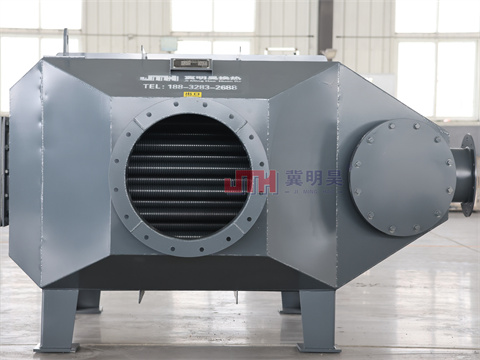
3.For high-dust working conditions, a larger area means higher risk of ash accumulation and blockage. Flue gas from biomass boilers, pulverized coal boilers and kilns contains a high concentration of dust. Dense tube bundles trap dust more easily on fins or tube walls. Ash forms a thermal insulation layer and offsets the advantages brought by extra heat exchange area. Frequent soot blowing and shutdown cleaning are required, raising maintenance costs and disrupting continuous production.
4.The equipment cost, footprint and hoisting cost increase accordingly. A bigger heat exchange area consumes more pipes and plates, making the equipment heavier and larger. The purchase price rises, and more on-site space is required. Supporting brackets, foundations, thermal insulation and hoisting expenses also go up. Oversized heat exchangers may even be impossible to install in factories with limited space.
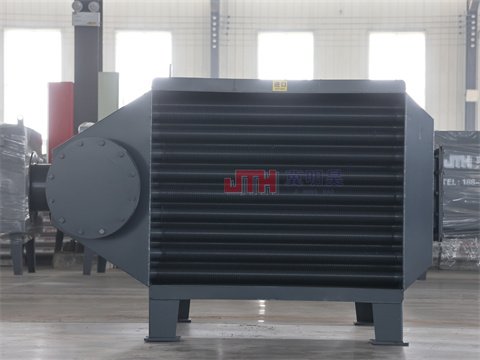
5.Under corrosive conditions, a larger area creates more potential leakage points. If flue gas contains sulfides and nitrogen oxides, acidic condensate will form once the temperature drops below the dew point. Tube bundles and welds are vulnerable to corrosion. A larger heat exchange area means more tubes and welds, which increases the chance of corrosion leakage. Leakage will cause flue gas short-circuit and medium mixing, bringing heavy losses from shutdown and maintenance.
Reasonable selection logic: Do not judge only by heat exchange area. Collect parameters including flue gas flow rate, inlet and outlet temperature, flue gas composition, dust concentration, allowable pressure drop and cooling medium conditions. Calculate the theoretical heat exchange area and reserve a proper safety margin according to working conditions. A slight margin is acceptable for clean, low-dust flue gas. For high-dust, sulfur-containing and corrosive flue gas, prioritize controlling tube density and flue gas resistance to balance heat transfer efficiency and long-term operational stability. The optimal heat exchange area matches the actual working conditions.
Official Website: http://hebeisanreqi.com/
Service Hotline: 0318‑8636713
Mobile: 18832832688
Address: No.1126 Yongxing West Road, Jizhou District, Hengshui City, Hebei Province, P.R.China

